
Understanding the BMI Chart: Your Guide to a Healthy Weight
3/14/20263 min read
What is BMI?
The Body Mass Index (BMI) is a widely used tool that helps assess an individual's body weight in relation to their height. It provides a simple numeric measure that categorizes individuals into different weight categories, aiding healthcare professionals in evaluating potential health risks associated with obesity and undernutrition. Essentially, this index serves as a foundational element in determining a person’s overall health profile, encapsulating their weight status in a format that is easy to understand and communicate.
BMI Categories Explained
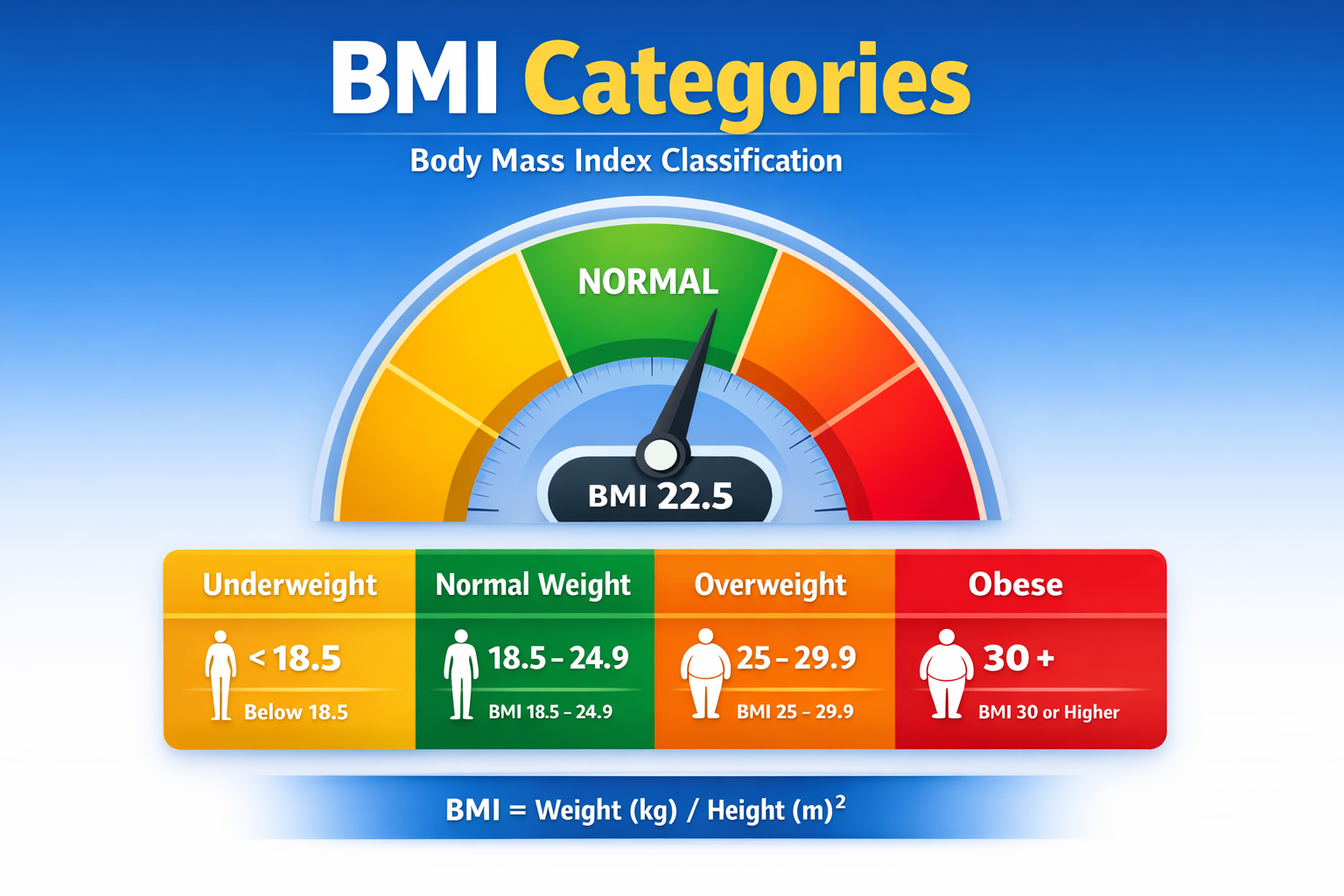
BMI categories can be classified as follows:
Underweight: A BMI less than 18.5, which might indicate that an individual could be at risk of nutritional deficiencies and health issues due to insufficient body weight.
Normal weight: A BMI between 18.5 and 24.9, reflecting a healthy range that is generally associated with lower health risks and optimal metabolic functions.
Overweight: A BMI between 25 and 29.9, suggesting that an individual might need to make lifestyle adjustments to mitigate potential health problems that arise from excess weight.
Obesity: A BMI of 30 or higher, which significantly increases the likelihood of developing chronic diseases such as diabetes, heart disease, and certain cancers.
Understanding these categories is crucial for identifying where you stand and what steps might be necessary for achieving or maintaining a healthy weight. Furthermore, being aware of your BMI category can empower individuals to make informed decisions regarding their health, prompting consultations with professionals when necessary for a comprehensive health strategy.
Ideal Weight Table and Health Tips
To find your ideal weight, refer to a BMI chart, which presents a clear visual interpretation of BMI values linked to specific weights for a given height. This tool is invaluable, allowing individuals to ascertain whether they fall into an acceptable weight range and serves as a practical starting point in their health journey. However, it’s important to consider that BMI does not account for factors such as muscle mass, bone density, and overall body composition. Thus, one should interpret the results with an understanding of one's unique physiological attributes.
Here are some essential health tips to consider for maintaining or achieving a healthy weight:
Maintain a balanced diet rich in fruits, vegetables, whole grains, and lean proteins, ensuring that your meals are not only nutritious but also enjoyable to promote long-term adherence.
Engage in regular physical activity—aim for at least 150 minutes of moderate aerobic exercise weekly, as this can significantly bolster both physical and mental wellness.
Stay hydrated by drinking plenty of water throughout the day; hydration is key to supporting metabolic processes and optimal bodily functions.
Get adequate sleep, as it significantly impacts metabolism and energy levels, helping regulate hunger hormones and promoting effective weight management.
By incorporating these habits, individuals can work towards achieving their optimal weight while enhancing their overall health and well-being. Remember, consistency and patience are crucial as lifestyle changes take time to manifest visibly in body composition and health markers.
Frequently Asked Questions (FAQs)
Understanding BMI can raise several questions. Here are some common FAQs:
Is BMI accurate for everyone? No, BMI may not accurately reflect body fat for individuals with high muscle mass, such as athletes. For some, it might fall into the overweight or obese categories despite having low body fat percentages. Therefore, it’s important to look beyond just the number.
Can I use BMI alone to determine my health? While helpful, it’s best to consider BMI alongside other assessments and lifestyle factors. Engaging in regular health screenings and discussing personal health and weight concerns with a healthcare provider can yield a more comprehensive view of one’s health status.
What steps should I take if I fall into the 'overweight' category? Consult with a healthcare provider for tailored advice on weight management strategies, including dietary adjustments and exercise plans that suit your lifestyle and preferences.
In conclusion, the BMI chart serves as a valuable resource in understanding weight status and its implications for health. By leveraging this information alongside personalized guidance, individuals can foster healthier lifestyles and promote long-term well-being. Remember, nurturing your health is a lifelong journey, and every small step contributes to your overall wellness.